What Should a Real Estate Branding and Website Package Include?
By Alma Richter · Updated
What actually goes into branding and building a website for a residential development?
It's more than choosing colors, designing a logo and putting together a few web pages. A building needs a name people can find, a website that answers real questions, a sign at the entrance, and leasing materials that hold up on a tour. A good scope connects those pieces and makes it clear who handles each one.
This is what I'd want a developer to know before talking to any studio, including us. The examples come from two of our projects: The Westline, three buildings in Hudson Yards, and Botanic Heights, 290 apartments in Crown Heights.
What a residential development needs before launch
The essentials
A name, if the building doesn't have one. A building name has to work set in metal at eye level, typed into a search bar by someone who half remembers it, and read in a listing beside a hundred others. Botanic Heights names the garden a block away and the neighborhood the building stands in, in two words people already use to describe where they live. On the sign at 960 Franklin Avenue, the address does the rest.
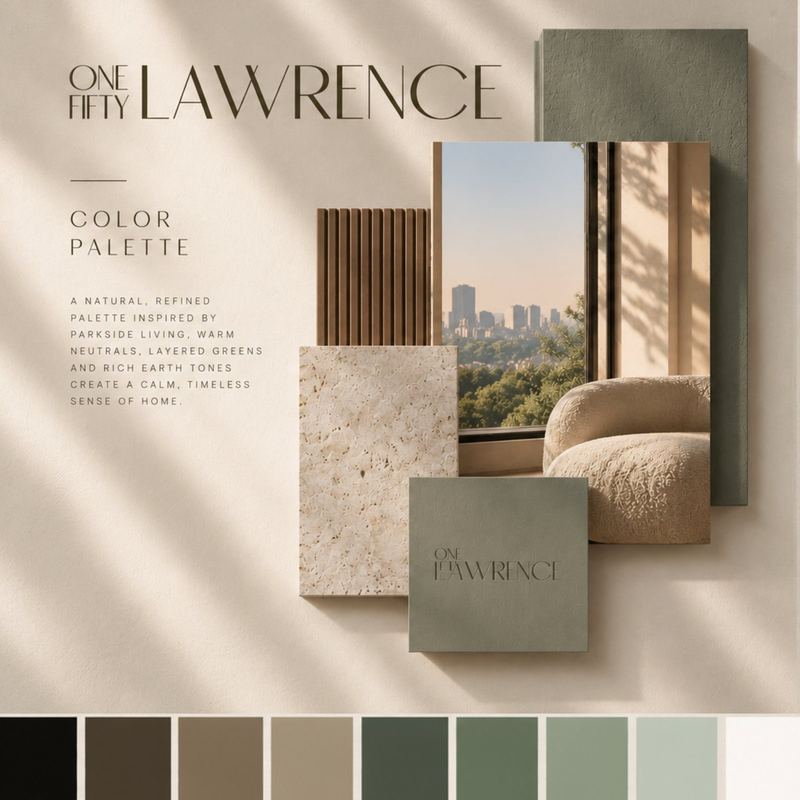
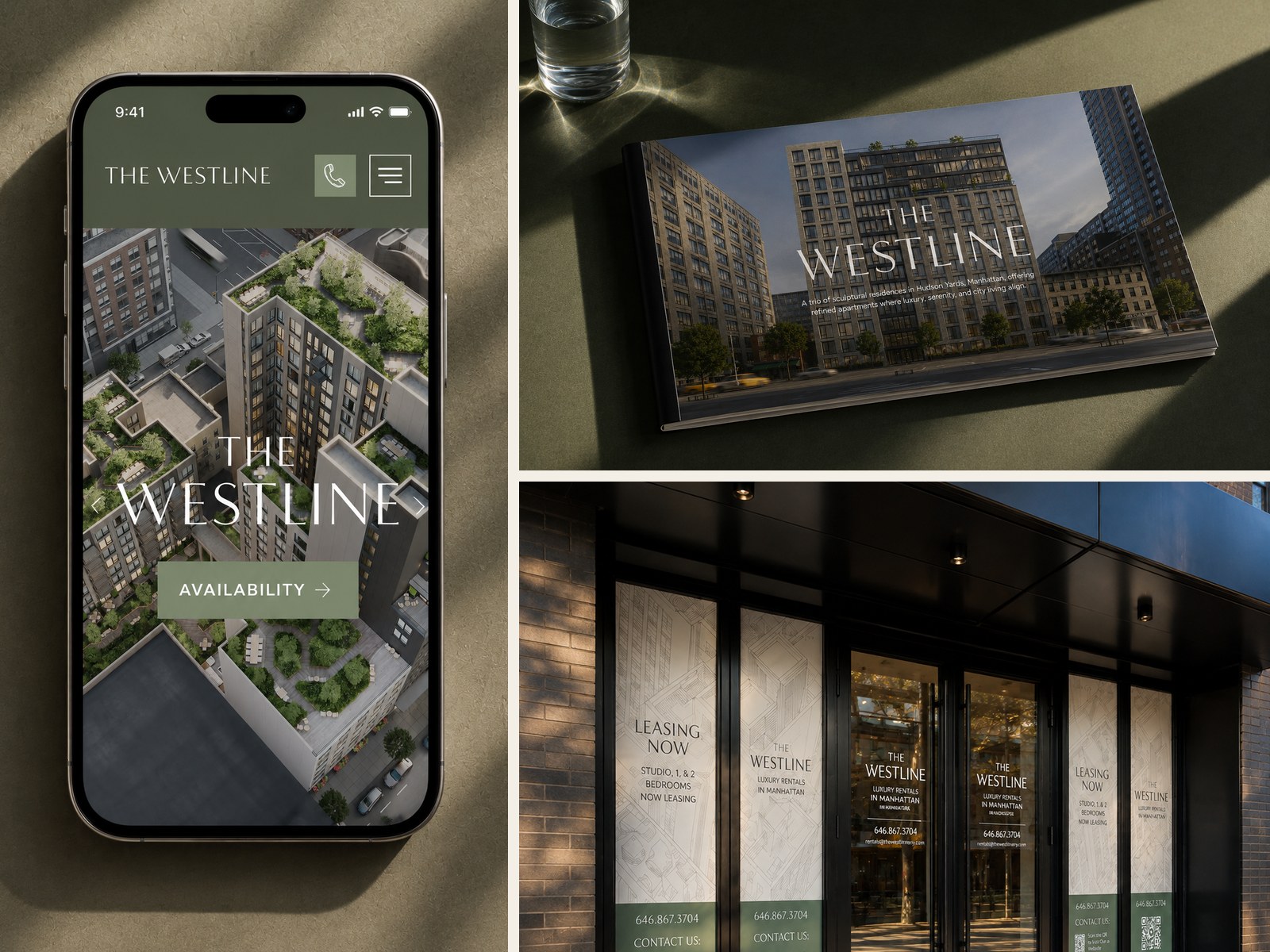
A brand identity built for signs and screens. Logo versions, a palette, typography, iconography and an imagery style, with guidelines for using them. At The Westline the palette stays quiet, champagne, slate, deep navy and eucalyptus, so the architecture leads. The detail comes from illustrations and icons drawn for the project in an architectural sketch style.
A website built around renters' questions. The residences, the amenities, the neighborhood, what's available and how to get in touch. Structure follows the property. The Westline is three buildings on three streets sharing one set of amenities, so the site has one name and three ways in.
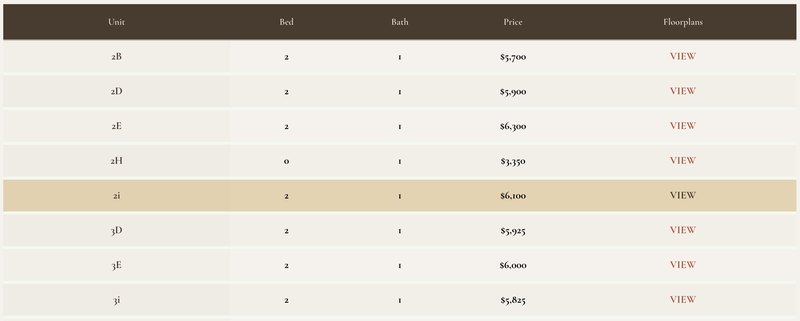
Floor plans, availability and leasing information. Clear floor plans that read on a phone. Unit status and pricing that stay current. One obvious way to inquire, and a known destination for every inquiry.
What's optional, and when it earns its place
Renderings and virtual staging matter when the building isn't finished or photographs aren't possible yet. Label them as renderings. Signage, brochures and flyers matter once people start seeing the building in person. Motion matters when stills can't carry the feeling of a place: the Botanic Heights site shows the neighborhood in moving images instead of still ones. A resident hub, social launch content and advertising creative come later, or not at all.
The test is simple. Every optional piece should have a job. If nobody can say what it's for, leave it out of the first phase.
What a branding and website proposal should include
Most friction in a project traces back to something the proposal left vague. These are the details worth settling in writing before anything starts.
Scope and deliverables. An itemized list, not a description. How many pages, whether naming is included, how many logo versions, which floor plans, and what sits outside the scope.
Revision rounds. A revision round should refine a direction you've already approved in writing. Asking for a new direction after approval is new work. Without that line, a fixed fee quietly becomes an open-ended one.
Timeline and dependencies. Dates depend on materials arriving and decisions coming back. A good proposal names one decision-maker and says what happens to the schedule when either runs late.
Ownership, fonts and hosting. Who owns the logo files, the code and the domain, and when they transfer. Premium typefaces are licensed per use, and the license should be in your name. Hosting, security and backups need an owner and a monthly cost you can see.
CRM and integrations. Name the system that receives inquiries and any tool the site connects to, who has access, and who maintains the connection.
Maintenance and support. What post-launch support covers, usually defects in delivered work, and what every other change costs. Ask whether the leasing team gets training on the editor.
What affects the cost of real estate branding and web design
Price follows complexity more than square footage. The main factors:
- Naming. Creating a name is a separate piece of work from designing around one.
- Number of buildings. Each building adds structure to the site, the signage and the materials.
- Website functionality. A self-managed availability page, interactive floor plans or a resident portal each add build time and infrastructure.
- Integrations. Connecting to a CRM or another platform adds setup and ongoing upkeep.
- Custom assets. Renderings, branded floor plans and video are usually priced per piece. Floor plans scale with the number of layouts, not the number of apartments.
- Marketing requirements. Signage, print, launch social content and advertising creative.
- Outside costs. Font licensing, printing and sign fabrication are set by vendors and depend on your choices.
A single building compared with a multi-building development
Botanic Heights is 290 apartments at one address. One name, one site, one availability list, one entrance. It ran on our Signature package, with signage added.
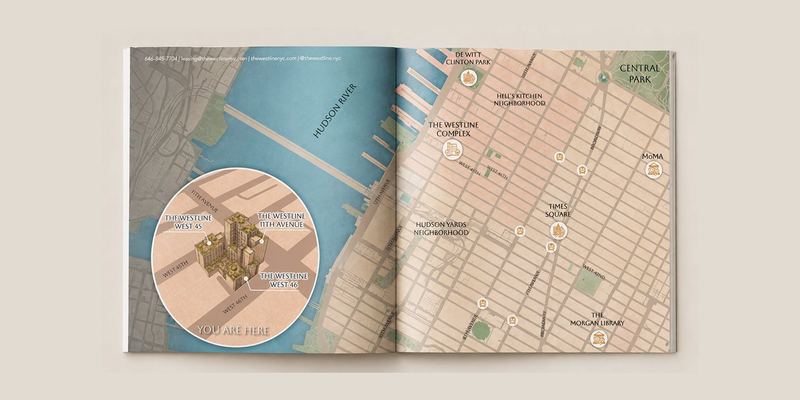
The Westline needed a name for the complex, a name for each building, and one identity to hold all three. The buildings are named for their addresses: 11th Avenue, West 45th and West 46th. Someone standing outside one door had to understand the roof garden and the gym were theirs too. That meant a site with three entry points, a map that draws the complex as a single block, and the same mark repeated on three streets. It ran on our Bespoke package with seven add-ons.
Our package questionnaire gives an estimated starting range from a few questions about your building.
What developers commonly overlook
Search starts with the name. If the name and page copy reflect how people actually search, the site keeps getting found after launch. At Botanic Heights, 52% of visits in the first 139 days came from search, with no paid campaign behind it. At The Westline, visitors arriving from Google stay longer than average, 3 minutes 28 seconds against 2 minutes 26 seconds.
Mobile first, not mobile later. Many people meet a building on a phone, often mid-comparison. Floor plans, availability tables and the inquiry form have to work there first.
Where inquiries land. A form that emails one inbox works until that person is on vacation. Decide early whether leads go to a CRM, a shared dashboard or both.
Real-time or manually managed availability. If the studio updates availability on request, the site lags the building. If the leasing team edits it directly, it stays current, but someone has to own it. At Botanic Heights we built availability for the leasing team to edit themselves, and it's now the second most visited page on the site, behind the home page.
Performance and accessibility. Large images and autoplay video slow a site down on a phone. Alt text, readable contrast, labeled form fields and keyboard navigation make it usable for everyone, and floor plans need a text alternative.
Who updates the site after launch. Ask to see the editor before you sign. If changing a price needs an email to the studio, it won't happen fast enough during lease-up.
How the brand carries into signage, websites and leasing materials
A brand earns its keep away from the screen. At Botanic Heights, the wordmark sits over the address on the Franklin Avenue sign panel, the same type runs on the window banners, and the same palette carries into print. At The Westline, the identity runs through the website, a resident hub, the signage, the brochure and business cards, and a custom neighborhood map that shows the three buildings as one.
The Westline received 421 leasing inquiries in its first 434 days live, and the buildings hit their leasing targets ahead of schedule. Botanic Heights received 479 inquiries in its first 139 days. Both figures run to 1 September 2026.
What to prepare before hiring a studio
- The property facts: address, unit count and mix, amenities and apartment features
- Your target launch date, plus signage, broker and opening dates
- Architectural drawings or floor plan files
- Any renderings or photography you already have
- The name and logo, if they exist
- Unit and pricing data, and how it's kept today
- Your leasing partner, and where inquiries should go
- One person who can approve decisions
Frequently asked questions
When should a developer start branding a new building?
Before construction finishes. The identity and website can take shape while the building is still underway, and starting early shows which assets are missing while there's still time to make them.
Do we need a building name before hiring a studio?
No. Naming can be part of the scope. If you already have a name, bring it, and expect the studio to test it on a sign and in a search before designing around it.
Is signage fabrication included in a branding package?
Usually the design is, and production isn't. Printing, fabrication and installation depend on materials, quantities and the vendor, so they should appear as their own line.
Can the leasing team update the website themselves?
They should be able to update availability at a minimum. Ask which parts of the site the team can edit, and see the editor before you sign.
How much does a real estate branding and website package cost?
It depends on the factors above. Our packages list what each tier includes, and the questionnaire gives a starting range for your building.
If you're planning a launch, you can compare our packages, browse the add-ons, or tell us about the building.